Australia
 New Zealand
 Singapore
 Hong Kong
 Malaysia
 Philippines
 Thailand
 Indonesia
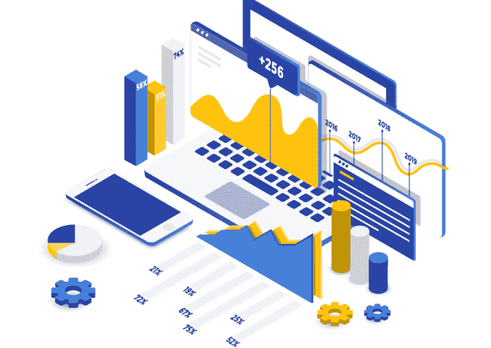
Big data provides actionable results and insights that have made it a crucial component of today's tech world. To sort through such massive datasets and retrieve the right information, you must have the right tools and understand how to use them. Data science and analytics have evolved from being primarily academic pursuits to becoming critical elements of business intelligence and big data analytics tools in order to better understand huge data sets.
The entire world now contributes to tremendous data expansion in colossal proportions, which is termed as "Big Data”.
World Economic Forum states:
“Everyday global data creation will exceed 44 zettabytes by the end of 2020. By 2025, this figure will have risen to 463 exabytes! With the rise of Big Data, two new buzzwords in the industry have emerged: Data Science and Data Analytics.”
Both these approaches have their unique benefits. The best approach for a business will depend on its specific needs.
So which approach is best? It depends on the business prerequisites.
Let's have a look at both spectrums.
Data Science vs. Data Analysis
Experts have sought to limit the scope of one discipline's work for decades. But they haven't always succeeded. However, definitions have come a long way since "data science" was coined. It appears that we can now explain the breadth of both professions.
What is Data Science?
Data science is a field that studies how to analyze data to draw meaningful insights and make accurate predictions. Data science entails the use of statistical and machine learning techniques to analyze data. This is used to build mathematical models. These models are then used to make informed decisions based on the analysis of large datasets.
What is Data Analysis?
Data analysis encompasses examining and interpreting raw data to better understand the topic being researched. Data analysis requires no programming skills. But it does require a basic understanding of statistics and mathematics. Data analysts usually work with people who have expertise in other areas such as business or technology.
Data Science vs Data Analysis- Key Differences
Data science and data analytics are two discrete but intertwined fields of research. Both fields use data to solve problems.
Although, there is a key difference between them. Data science is concerned with comprehending and extracting value from data. Data analytics primarily involves utilizing data for better decision-making.
Data Science vs Data Analytics: The Fundamental Goal
Data science's purpose is to extract insights and information from data. The goal of data analytics is to use those insights to improve business decisions. In other words, data science is about understanding the data, and data analytics is about using that understanding to improve outcomes.
Data science and data analytics are essential for any organization that wants to use its data better.
Data Scientist vs Data Analyst: Responsibilities
Data scientists and data analysts have different roles in organizations. Both of them are professionals who use data to come up with conclusions. However, their job scope is different from each other.
A data analyst is responsible for finding insights and patterns from raw data, whereas a data scientist uses the same information to create new products or services.
Data Science vs Data Analytics: Skills
Data scientists need technical and non-technical skills such as computer programming languages like R, Python, or SAS; SQL (structured query language); statistical programming languages like SAS or SPSS; and machine learning tools like TensorFlow or sci-kit-learn.
Data analysts use Excel or Tableau to analyze data. They also have some technical skills, but not as much as data scientists who have more technical experience than business analysts or researchers.
Data Science vs. Data Analytics: Choose Wisely!
Data science and data analytics are closely related fields, but they are not interchangeable. Here's how to choose the right one to fit your needs.
If you're considering investing in a data science or data analytics team for your company, this is a good place to start.
But, the two fields are closely related, and each has unique benefits and drawbacks that make it better suited for certain tasks.
Nexacu Can Help You Become a Data Analyst.
Nexacu offers a variety of courses and certifications aimed at helping you become a data analyst. The courses are developed to assist you learn the fundamentals of data science, and they include:
Data Science Fundamentals: Discover the fundamentals of data science, such as statistics, probability, and machine learning.
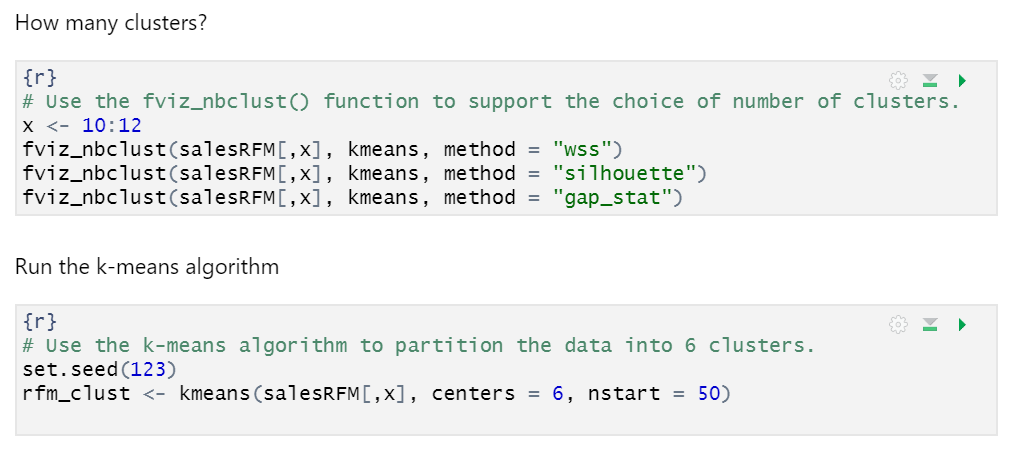
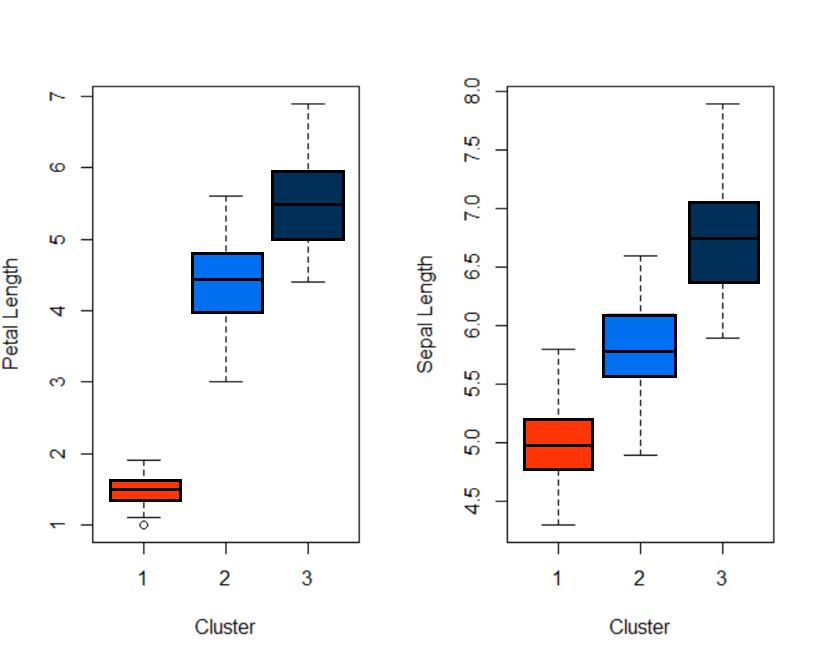
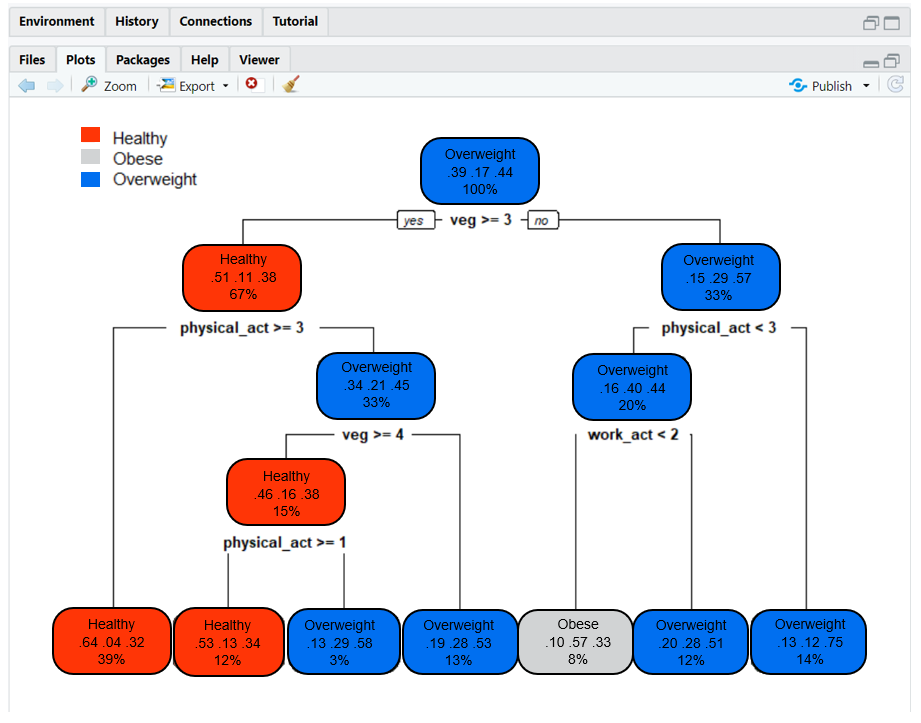
Fundamentals of Python for Data Science: Learn how to program in Python, one of the most commonly used languages in data science.
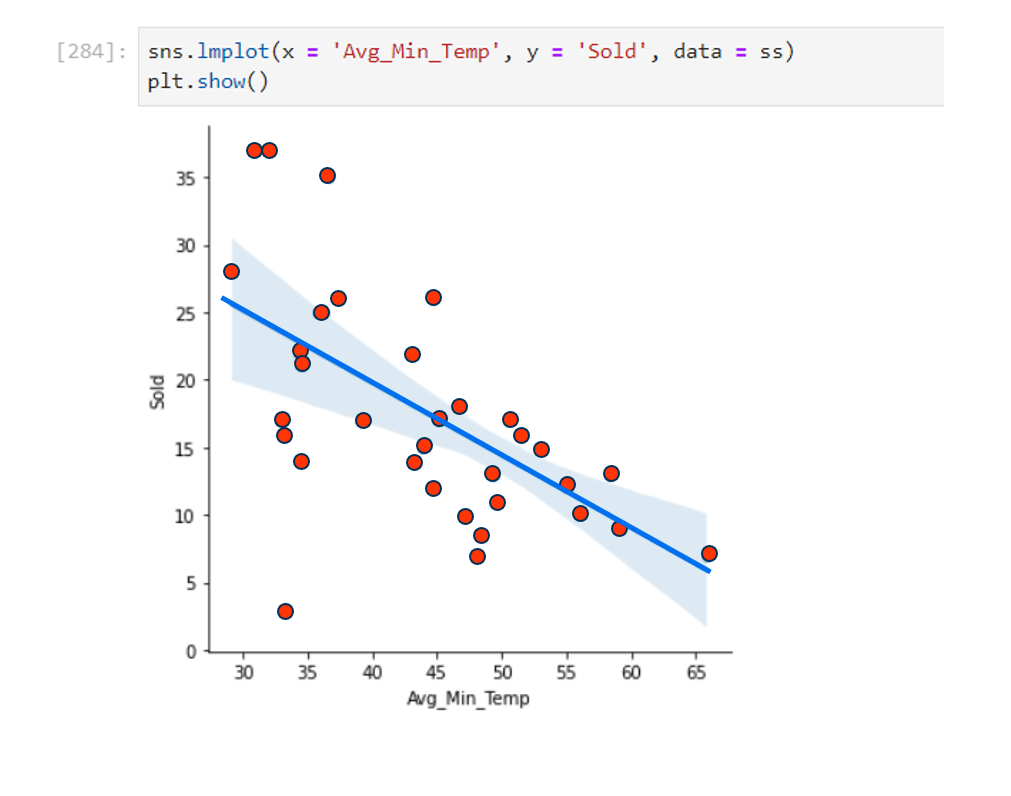
Data Analytics with R: Learn how to use R, another popular programming language for data science applications, with this course.
Their experienced instructors use real-world examples to give you the skills you need to succeed with Microsoft Office 365, Power BI, PowerApps, and SharePoint.
FAQs
Is data science the same as data analysis?
Data scientists and data analysts are two very different roles in the business world. However, there exists some overlap between the two.
In fact, data scientists are more concerned with finding hidden patterns and relationships whereas data analysts are more focused on providing actionable insights.
How is data science related to data analytics?
There are several subfields of data science, such as data analytics, data mining, and machine learning.